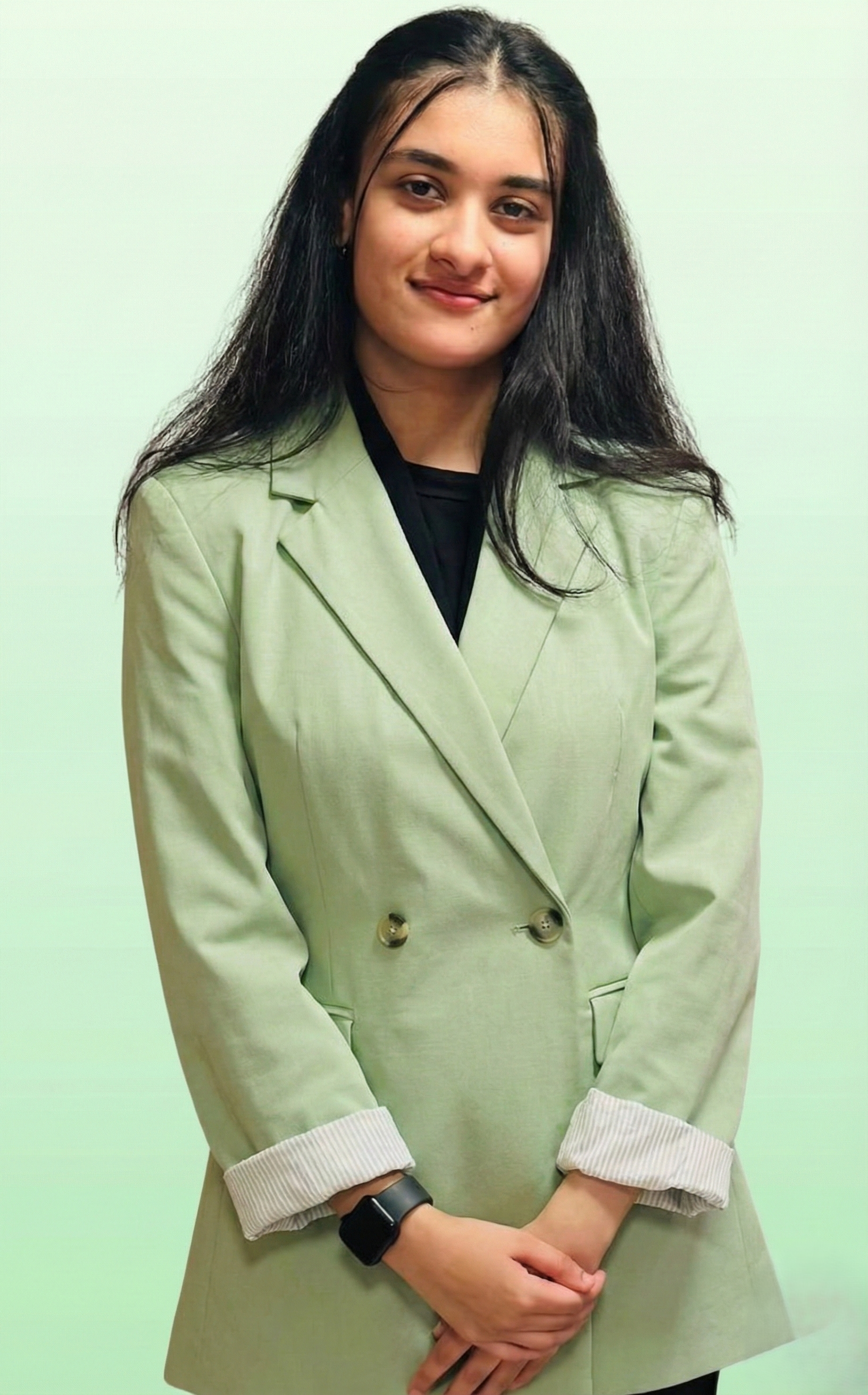
Dua Saif
Creator of BinGenie · Final Year AI Project
I am a final year student at Liverpool John Moores University with a passion for artificial intelligence and sustainable technology. BinGenie was created to explore how computer vision can help people make smarter recycling decisions and reduce environmental waste through simple everyday actions.
Techinal Specification 🔧
BinGenie uses an image recognition model trained to identify whether an item should be recycled or disposed of as organic waste.
Dataset Used
techsash/waste-classification-data/data
Training Images
Approximately 25,000+ images
Model Accuracy
Accuracy of approximately 92%
Tech Stack
- Django (Backend + Routing)
- HTML/CSS/JS (Frontend)
- Hugging Face Transformers + PyTorch (AI Model)
Model predictions are based on visual recognition and may be affected by lighting, background clutter, or image quality. Recycling rules can also vary by region.
⚖️ Why BinGenie matters
Sorting waste is easy to get wrong. BinGenie reduces guesswork and makes correct disposal feel effortless.
Without BinGenie
- People guess the correct bin
- Recyclables get contaminated
- Confusion leads to inconsistent habits
- More items end up in landfill
With BinGenie
- Instant AI decision from a photo
- Clear output: Recycle or Waste
- Encourages consistent sorting habits
- Supports sustainability and awareness
🚀 Future vision
BinGenie is a prototype. Here’s how it can evolve into a real-world solution over the next few years.
Improve reliability
Add “Not sure” handling, confidence-based guidance, and better training data for real-life photos.
More categories
Expand beyond binary labels to include plastic, metal, paper, glass, e-waste, and hazardous materials.
Location-aware recycling rules
Integrate local guidelines (city/country) so the advice matches real recycling policy where the user lives.
Smart bins & real-time detection
Deploy in public areas or campuses: camera-equipped bins that guide users and track recycling impact.
The long-term goal is to make correct disposal the default — with AI assisting people at the moment of decision.